

- Üniversite
- Akademik
- Yüksekokullar
- Adalet Meslek Yüksekokulu
- Meslek Yüksekokulu
- Meslek Yüksekokulu
- Bankacılık ve Sigortacılık (Türkçe)
- Bilgisayar Programcılığı (Türkçe)
- Dış Ticaret (Türkçe)
- Grafik Tasarım (Türkçe)
- İç Mekân Tasarımı (Türkçe)
- İnşaat Teknolojisi (Türkçe)
- İş Sağlığı ve Güvenliği (Türkçe)
- Medya ve İletişim (Türkçe)
- Mimari Restorasyon (Türkçe)
- Radyo ve Televizyon Programcılığı (Türkçe)
- Sivil Havacılık Kabin Hizmetleri (Türkçe)
- Sivil Hava Ulaştırma İşletmeciliği (Türkçe)
- Turizm ve Otel İşletmeciliği (Türkçe)
- Uygulamalı İngilizce Çevirmenlik
- Sağlık Hizmetleri Meslek Yüksekokulu
- Uygulamalı Yönetim Bilimleri Yüksekokulu
- Yabancı Diller Yüksekokulu
- Fakülteler
- Lisansüstü Eğitim Enstitüsü
- Ortak Dersler
- Yüksekokullar
- Araştırma
- Araştırma Merkezleri
- Kütüphane
- Akıllı Kampüs
- Proje Geliştirme ve Teknoloji Transfer Ofisi
- İzmir Bilimpark
- Sürekli Eğitim Merkezi (EKOSEM)
- Çocuk Üniversitesi
- Etik Kurul
- Öğretme ve Öğrenme Merkezi (EKOEĞİTİM)
- Psikolojik Uygulama ve Araştırma Merkezi (PUAM)
- Araştırmacı Eğitimleri Koordinatörlüğü
- Araştırma İş Birlikleri ve İnovasyon Koordinatörlüğü
- Kampüs
- INTERNATIONAL
- İletişim
- 25. YIL
Bilgisayar Mühendisliği
SE 311 | Ders Tanıtım Bilgileri
| Dersin Adı |
Software Architecture
|
|
Kodu
|
Yarıyıl
|
Teori
(saat/hafta) |
Uygulama/Lab
(saat/hafta) |
Yerel Kredi
|
AKTS
|
|
SE 311
|
SPRING
|
2
|
2
|
3
|
7
|
| Ön-Koşul(lar) | SE 116 To succeed (To get a grade of at least DD) | |||||
| Dersin Dili | English | |||||
| Dersin Türü | Zorunlu | |||||
| Dersin Düzeyi | Lisans | |||||
| Dersin Veriliş Şekli | Face-To-Face | |||||
| Dersin Öğretim Yöntem ve Teknikleri |
Lecture / Presentation Experiment / Laboratory / Workshop Q&A Problem Solving |
|||||
| Ulusal Meslek Sınıflandırma Kodu | - | |||||
| Dersin Koordinatörü |
|
|||||
| Öğretim Eleman(lar)ı |
|
|||||
| Yardımcı(ları) |
|
|||||
| Dersin Amacı | The goal of this course to arm the students with the knowledge needed in architecting effective and maintainable complex software systems of high quality by applying design patterns. Each pattern represents a best practice solution to a software problem in some context. The course will sensitize the student that there is rarely one "right" design and an engineer is faced with a spectrum of possibilities representing tradeoffs. The course will cover the rationale and benefits of design patterns in architecting software systems. The course includes a brief review of object-oriented design principles and UML. Programming assignments and a project in the Java language will provide experience in the use of these patterns. | |||||||||||||||||||||||||||||||||||||||||||||||||||||
| Öğrenme Çıktıları |
Bu dersi başarıyla tamamlayabilen öğrenciler;
|
|||||||||||||||||||||||||||||||||||||||||||||||||||||
| Ders Tanımı | This course covers the principals behind the software design patterns and their application in constructing software components. | |||||||||||||||||||||||||||||||||||||||||||||||||||||
| Dersin İlişkili Olduğu Sürdürülebilir Kalkınma Amaçları |
-
|
|||||||||||||||||||||||||||||||||||||||||||||||||||||
|
|
Temel Ders |
X
|
| Uzmanlık/Alan Dersleri |
|
|
| Destek Dersleri |
|
|
| İletişim ve Yönetim Becerileri Dersleri |
|
|
| Aktarılabilir Beceri Dersleri |
|
HAFTALIK KONULAR VE İLGİLİ ÖN HAZIRLIK ÇALIŞMALARI
| Hafta | Konular | Ön Hazırlık | Öğrenme Çıktısı |
| 1 | Introduction to Design Patterns | “Design patterns: Elements of Reusable Object-Oriented Software” by E. Gamma, R. Helm, R. Johnson and J. Vlissides (GHJV). Bolum 1. | LO1 |
| 2 | A refresher on Object Oriented Design and UML. Architectural Principles. | Any book on object-oriented design and programming. Instructor notes. | LO1 |
| 3 | Iterator Pattern (Behavioral) | Design Patterns, (GHJV) pp. 257-271 | LO2 |
| 4 | Composite Pattern (Structural) | Design Patterns, (GHJV) pp. 163-173 | LO2 |
| 5 | Command Pattern (Behavioral) | Design Patterns, (GHJV) pp. 233-242 | LO2 |
| 6 | Factory and Abstract Factory (Creational) Patterns | Design Patterns, (GHJV) pp. 87 95, 107-116 | LO3 |
| 7 | Singleton (Creational) and Facade Patterns (Structural) | Design Patterns, (GHJV) pp. 127-134, 185-193 | LO2 |
| 8 | Midterm | - | |
| 9 | Adapter Pattern (Structural) | Design Patterns, (GHJV) pp. 139-150 | LO3 |
| 10 | Template Pattern (Structural) | Design Patterns, (GHJV) pp. 325-330 | LO5 |
| 11 | Observer Pattern (Behavioral) | Design Patterns, (GHJV) pp. 293-303 | LO5 |
| 12 | Visitor Pattern (Behavioral) | Design Patterns, (GHJV) pp. 331-334 | LO5 |
| 13 | Project Discussions and Presentations | Source Code and Project Report | LO4 |
| 14 | Project Discussions and Presentations | Source Code and Project Report | LO4 |
| 15 | Final Review | Instructor notes. | - |
| 16 | Review of Semester | - |
| Ders Kitabı |
"Design patterns: Elements of Reusable Object Oriented Software” by E. Gamma R. Helm R. Johnson and J. Vlissides. Addison Wesley. 1995. ISBN: 978-0-201-63361-0. Instructor Notes |
| Önerilen Okumalar/Materyaller | Metseker and Wake “Design Patterns in Java” Addison Wesley 2006. |
DEĞERLENDİRME ÖLÇÜTLERİ
| Yarıyıl Aktiviteleri | Sayı | Katkı Payı % | LO1 | LO2 | LO3 | LO4 | LO5 |
| Ara Sınav | 1 | 30 | X | X | X | X | |
| Final Sınavı | 1 | 40 | X | X | X | X | X |
| Proje | 1 | 30 | X | ||||
| Toplam | 3 | 100 |
AKTS / İŞ YÜKÜ TABLOSU
| Yarıyıl Aktiviteleri | Sayı | Süre (Saat) | İş Yükü |
|---|---|---|---|
| Katılım | - | - | - |
| Teorik Ders Saati | 16 | 2 | 32 |
| Laboratuvar / Uygulama Ders Saati | 16 | 2 | 32 |
| Sınıf Dışı Ders Çalışması | 16 | 3 | 48 |
| Arazi Çalışması | - | - | - |
| Küçük Sınav / Stüdyo Kritiği | - | - | - |
| Portfolyo | - | - | - |
| Ödev | - | - | - |
| Sunum / Jüri Önünde Sunum | - | - | - |
| Proje | 1 | 32 | 32 |
| Seminer/Çalıştay | - | - | - |
| Sözlü Sınav | - | - | - |
| Ara Sınavlar | 1 | 30 | 30 |
| Final Sınavı | 1 | 36 | 36 |
| Toplam | 210 |
DERSİN ÖĞRENME ÇIKTILARININ PROGRAM YETERLİLİKLERİ İLE İLİŞKİSİ
| # | PC Alt | Program Yeterlilikleri / Çıktıları | * Katkı Düzeyi | ||||
| 1 | 2 | 3 | 4 | 5 | |||
| 1 |
Engineering Knowledge: Knowledge of mathematics, science, basic engineering, computation, and related engineering discipline-specific topics; the ability to apply this knowledge to solve complex engineering problems. |
||||||
| 1 |
Mathematics |
||||||
| 2 |
Science |
||||||
| 3 |
Basic Engineering |
||||||
| 4 |
Computation |
LO1 | |||||
| 5 |
Related engineering discipline-specific topics |
LO3 | LO2 | ||||
| 6 |
The ability to apply this knowledge to solve complex engineering problems |
||||||
| 2 |
Problem Analysis: Ability to identify, formulate and analyze complex engineering problems using basic knowledge of science, mathematics and engineering, and considering the UN Sustainable Development Goals relevant to the problem being addressed. |
||||||
| 3 |
Engineering Design: The ability to devise creative solutions to complex engineering problems; the ability to design complex systems, processes, devices or products to meet current and future needs, considering realistic constraints and conditions. |
||||||
| 1 |
Ability to design creative solutions to complex engineering problems |
||||||
| 2 |
Ability to design complex systems, processes, devices or products to meet current and future needs, considering realistic constraints and conditions |
LO4 | |||||
| 4 |
Use of Techniques and Tools: Ability to select and use appropriate techniques, resources, and modern engineering and computing tools, including estimation and modeling, for the analysis and solution of complex engineering problems, while recognizing their limitations. |
LO5 | |||||
| 5 |
Research and Investigation: Ability to use research methods to investigate complex engineering problems, including literature research, designing and conducting experiments, collecting data, and analyzing and interpreting results. |
||||||
| 1 |
Literature research for the study of complex engineering problems |
||||||
| 2 |
Designing experiments |
||||||
| 3 |
Ability to use research methods, including conducting experiments, collecting data. analyzing and interpreting results |
||||||
| 6 |
Global Impact of Engineering Practices: Knowledge of the impacts of engineering practices on society, health and safety, economy, sustainability, and the environment, within the context of the UN Sustainable Development Goals; awareness of the legal implications of engineering solutions. |
||||||
| 1 |
Knowledge of the impacts of engineering practices on society, health and safety, economy, sustainability, and the environment, within the context of the UN Sustainable Development Goals |
||||||
| 2 |
Awareness of the legal implications of engineering solutions |
||||||
| 7 |
Ethical Behavior: Acting in accordance with the principles of the engineering profession, knowledge about ethical responsibility; awareness of being impartial, without discrimination, and being inclusive of diversity. |
||||||
| 1 |
Acting in accordance with the principles of the engineering profession, knowledge about ethical responsibility ethical responsibility |
||||||
| 2 |
Awareness of being impartial and inclusive of diversity, without discriminating on any subject |
||||||
| 8 |
Individual and Teamwork: Ability to work effectively, individually and as a team member or leader on interdisciplinary and multidisciplinary teams (face-to-face, remote or hybrid). |
||||||
| 1 |
Ability to work individually and within the discipline |
||||||
| 2 |
Ability to work effectively as a team member or leader in multidisciplinary teams (face-to-face, remote or hybrid) |
||||||
| 9 |
Verbal and Written Communication: Taking into account the various differences of the target audience (such as education, language, profession) on technical issues. |
||||||
| 1 |
Ability to communicate verbally |
||||||
| 2 |
Ability to communicate effectively in writing |
||||||
| 10 |
Project Management: Knowledge of business practices such as project management and economic feasibility analysis; awareness of entrepreneurship and innovation. |
||||||
| 1 |
Knowledge of business practices such as project management and economic feasibility analysis |
||||||
| 2 |
Awareness of entrepreneurship and innovation |
||||||
| 11 |
Lifelong Learning: Lifelong learning skills that include being able to learn independently and continuously, adapting to new and developing technologies, and thinking questioningly about technological changes. |
||||||
*1 Lowest, 2 Low, 3 Average, 4 High, 5 Highest

HABERTÜM HABERLER



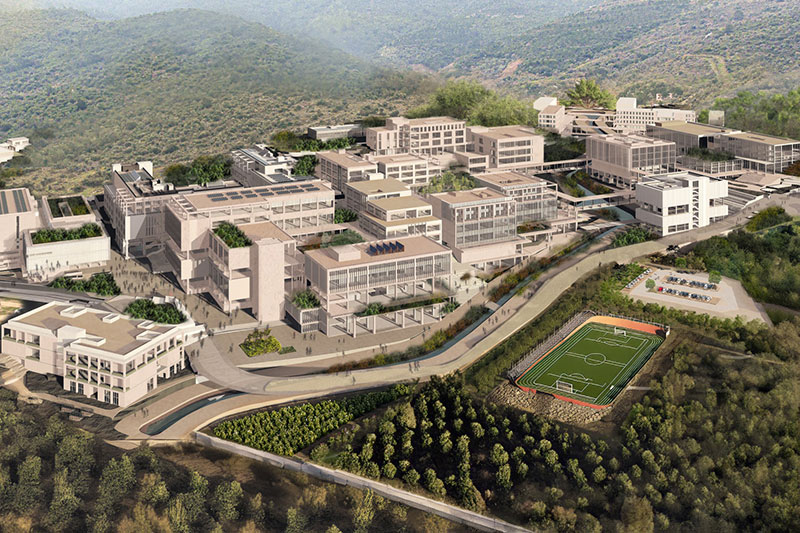
İZMİR EKONOMİ ÜNİVERSİTESİ GÜZELBAHÇE KAMPÜSÜ
DetaylarKÜRESEL KARİYER
İzmir Ekonomi Üniversitesi, dünya çapında bir üniversiteye dönüşürken aynı zamanda küresel çapta yetkinliğe sahip başarılı gençler yetiştirir.
Daha Fazlası..BİLİME KATKI
İzmir Ekonomi Üniversitesi, nitelikli bilgi ve yetkin teknolojiler üretir.
Daha Fazlası..İNSANA DEĞER
İzmir Ekonomi Üniversitesi, toplumsal fayda üretmeyi varlık nedeni olarak görür.
Daha Fazlası..
İzmir Ekonomide yapacağın Lisansüstü eğitimle bir adım öndesin